Study in Germany Consultants in Ranchi
Ranchi gave Indian cricket its coolest captain, a man famous for staying calm and planning every chase to the last ball. Studying in Germany needs the same mindset. The reward is big: world class universities, many with zero tuition, and a real path to a career in Europe's largest economy. But the chase has many overs: APS, blocked account, university deadlines and a visa appointment in Kolkata. Plan it well and you finish strong.
Study in Germany consultants in Ranchi help you choose the right course, prepare your APS certificate, apply to universities, open a blocked account and get your visa file ready. Edugo Abroad guides students from Ranchi, Jamshedpur, Dhanbad, Bokaro, Hazaribagh and across Jharkhand through every step.
Here is your complete 2026 guide, in simple words.
Free 15 min Call with
Germany Expert
Why Should Students from Ranchi Study in Germany?
Germany offers low or no tuition at most public universities, globally respected degrees and up to 18 months to find a job after graduation. That is why India is now the largest source of international students in Germany, with 69,816 Indian students in Winter Semester 2025/26, according to DAAD.
Here is why Germany fits Jharkhand students so well.
Industry Strengths That Match Jharkhand
Jharkhand is known for steel, mining and heavy industry. Germany is a global leader in manufacturing, engineering and industrial technology. So many students from the region explore programmes like:
- Mechanical and Production Engineering
- Mining, Geotechnical and Mineral Engineering
- Materials Science and Metallurgy
- Electrical Engineering and Power Systems
- Computer Science and Artificial Intelligence
- Data Science and Business Analytics
- Environmental Engineering and Sustainability
- Management and International Business
Your best choice depends on your degree, credits, budget and career plans.
Public Universities with Little or No Tuition
Most public universities in Germany charge no tuition fees for international students. You only pay a semester contribution of about €150 to €350, often including a transport pass. Baden Württemberg charges non EU students €1,500 per semester, TUM charges fees for many programmes, and private universities set their own fees.
Master's Courses in English
You can study many Master's programmes in Germany fully in English. Bachelor's programmes are mostly taught in German. Learning German alongside your studies opens more jobs and makes life smoother.
Practical, Industry Linked Learning
Many German universities, especially universities of applied sciences, work closely with companies. Internships and thesis projects with industry partners are common.
Still, remember that no degree guarantees a job. Skills, German language and effort matter.
The advantages are clear. Now, is your profile ready? Let us check.
Who Can Study in Germany from Ranchi?
Ranchi students can study in Germany after Class 12, after a bachelor's degree, or after work experience. Two rules changed in 2026: undergraduate routes now need at least 70% in Class 12, and some Master's applicants need a new test called the dMAT.
Study in Germany After Graduation
This is the most popular route. With a bachelor's degree from a recognised Indian university, you can apply for a Master's in Germany. The 70% Class 12 rule does not apply to Master's applicants.
For example:
- A B.Tech Mining graduate can explore mining, geotechnical or raw materials engineering.
- A B.Tech Mechanical graduate can explore mechanical, production or automotive engineering.
- A B.Tech Electrical graduate can explore power systems or renewable energy.
- A B.Tech CSE or BCA graduate can explore computer science or data science, depending on credits.
- A BBA or B.Com graduate can explore management, finance or international business.
Public universities check how well your bachelor's credits match the Master's. Private universities are often more flexible.
Study in Germany After Class 12
An Indian Class 12 certificate does not usually give direct entry to a German bachelor's degree. Germany has 13 years of school, India has 12, so most students first complete a Studienkolleg, a one year foundation course taught in German.
From Winter Semester 2026/27, you need at least 70% overall in Class 12 to get the APS certificate for undergraduate routes. If you also finish one year of a related bachelor's in India, you may qualify for direct subject restricted admission.
Check your percentage, German level, subjects, deadlines and budget before applying.
Study in Germany After Work Experience
If you have worked in industry, you can explore MBA programmes, engineering management or specialised Master's degrees. Many MBA programmes ask for one to two years of experience, and industry experience can strengthen your application at private universities.
Each route begins with one compulsory step for Indian students.
What Is the APS Certificate and Why Do I Need It?
The APS certificate is a mandatory check of your Indian academic documents, required for German university admission and for the student visa. APS (Akademische Prüfstelle) is the Academic Evaluation Centre linked to the German Embassy in New Delhi. Without it, you cannot complete your application.
APS key facts for 2026:
- APS fee: ₹18,000
- Processing takes several weeks, so start early
- Undergraduate routes need 70% or more in Class 12 from 15 March 2026
Do I Need to Take the dMAT?
The dMAT (digital Master Test) is an aptitude test announced by APS India in June 2026. It applies to Master's applicants from the Summer Semester 2027 intake onward whose bachelor's is in engineering, commerce, accounting, finance, economics, business or management, and who registered for APS on or after 29 June 2026.
The dMAT fee is €150, separate from APS. A low score does not automatically lead to APS rejection, but your APS file is incomplete without the certificate if your field is affected. Graduates in sciences, humanities and similar fields are generally not affected. Always confirm your case on the APS India website.
That is a lot of overs to manage. A good consultant helps you pace the chase.
How to Choose the Right Study in Germany Consultant in Ranchi
Choose a consultant who understands German admissions, matches courses to your real profile, and is honest about costs and visa outcomes. Here are five things to check.
Real Knowledge of German Universities
German public universities check credits closely, many use uni assist (a central application portal), and APS rules keep changing. Your consultant should explain all this simply.
Personalised Course Suggestions
Your course should match your branch, credits and goals. Avoid anyone pushing a course just because it is easy to get into.
Clear List of Costs
Ask for every cost in writing:
- APS fee, plus dMAT if needed
- Application and uni assist fees
- Tuition and semester contribution
- Blocked account and setup fee
- Health insurance
- Visa fee and VFS charges
- Consultant service charges, if any
Familiarity with the Kolkata Visa Process
Students from Jharkhand usually apply under the German Consulate General in Kolkata. Your consultant should know its checklist and process. And remember, nobody can guarantee a visa.
Support After Your Offer
Ask about help with the blocked account, insurance, housing and travel once your admission is confirmed.
Here is how Edugo Abroad handles all of this for Ranchi students.
How Edugo Abroad Can Help You Study in Germany
Edugo Abroad is a study abroad platform that works with 500+ universities across Europe. For students in Ranchi and Jharkhand, our Germany support covers each stage.
Profile Evaluation
We review your marks, branch, credits, language scores, experience and budget to identify suitable programmes.
University and Course Shortlisting
We compare public and private universities on modules, entry rules, fees, language, city and career value.
APS and dMAT Guidance
We help you check whether the dMAT applies, prepare your APS file and plan around processing times.
Application Support
We help with your CV, motivation letter, recommendations and applications through university portals or uni assist.
Blocked Account, Insurance and Visa Guidance
We explain the blocked account, help you choose insurance and guide your visa file for the German mission in Kolkata.
Pre Departure Guidance
We help you plan housing, flights, registration and your first weeks in Germany.
Ready to check your Germany options?
Talk to Edugo Abroad and get a clear plan.
Next, let us list the documents you will need.
What Are the Requirements to Study in Germany?
Requirements differ by programme, but most applicants need these documents.
| Document | Why It Is Needed |
|---|---|
| Passport | Identity and visa |
| Class 10 and 12 marksheets | School record |
| Bachelor's degree and transcripts | For Master's applications |
| APS certificate | Mandatory for Indian applicants |
| dMAT certificate | Only for affected Master's applicants |
| Module descriptions | Helpful for credit matching at public universities |
| CV | Education, projects and experience |
| Motivation letter (SOP) | Why this programme |
| Recommendation letters | If requested |
| English or German test results | IELTS, TOEFL, TestDaF, Goethe, as required |
| GRE or GMAT scores | Required by some programmes |
Check the exact list on every programme page.
Language tests come next, and the IELTS question is a common one.
Can I Study in Germany Without IELTS?
Yes, sometimes. Some German universities accept TOEFL, PTE or Duolingo, and some accept a Medium of Instruction (MOI) letter showing your degree was taught in English. However, many public universities still ask for IELTS or TOEFL, so check each programme carefully.
For German taught programmes, you need German proof such as TestDaF, DSH or a Goethe certificate.
Always confirm accepted tests before paying any fee.
Now for the question every family asks first: what will it cost?
How Much Does It Cost to Study in Germany for Indian Students? (2026)
The cost of studying in Germany depends on your university type and city. Most public universities charge no tuition, but every student must show €11,904 in a blocked account for the first year of living costs.
1. Tuition Fees
| University Type | Typical Tuition (2026) |
|---|---|
| Public universities (most states) | No tuition; semester contribution of about €150 to €350 |
| Public universities in Baden Württemberg | €1,500 per semester for non EU students |
| Private universities | Set their own fees, usually much higher |
Always confirm current fees on the official programme page.
2. Blocked Account
A blocked account (Sperrkonto) holds your living money for the first year. For 2026, it is €11,904, or €992 per month, roughly ₹12.9 lakh. After arrival, you can withdraw up to €992 each month.
3. Living Costs
Your budget covers rent, food, transport, phone, insurance and study materials. Cities in eastern Germany, such as Dresden, Leipzig or Chemnitz, are usually cheaper than Munich or Frankfurt.
4. Other Costs
| Expense | Amount (2026) |
|---|---|
| APS certificate | ₹18,000 |
| dMAT (if applicable) | €150 |
| Visa fee | €75 plus VFS charges |
| Health insurance | Mandatory; varies |
| Travel to Kolkata for visa, flights | Varies |
How to Cut Costs
- Prefer public universities without tuition
- Choose an affordable city
- Share a flat or live in a student dorm
- Apply for scholarships
- Work part time within the legal limits
Funding support can make the budget even easier.
Are Scholarships Available for Indian Students in Germany?
Yes. Indian students can apply for DAAD scholarships, university scholarships, foundation scholarships and the Deutschlandstipendium, which offers €300 per month to high performing students.
Check eligibility, coverage and deadlines. Many DAAD deadlines fall roughly a year before your course starts, and an admission offer does not automatically include funding. [internal link: scholarships for Indian students in Germany]
Now let us put the whole application in order.
How to Apply to German Universities from Ranchi
Allow 8 to 12 months from start to departure.
Select your course based on your degree and goals.
Shortlist universities by modules, fees and deadlines.
Take language tests and GRE or GMAT if needed.
Apply for APS, and register for the dMAT if required.
Prepare documents, including module descriptions.
Submit applications through university portals or uni assist.
Accept your offer and pay any deposit.
Open a blocked account and buy health insurance.
Apply for your visa on the Consular Services Portal and book VFS.
Get ready to fly: housing, flights and documents.
The final over is the visa. Here is what you need.
What Are the Germany Student Visa Requirements for Indian Students?
Indian students need a German National Visa (Type D) for studies longer than 90 days. You apply on the Consular Services Portal and submit biometrics at VFS Global. The visa fee is €75.
Common documents:
- Valid passport
- Admission letter
- APS certificate
- Blocked account confirmation (€11,904 for 2026)
- Health insurance
- Academic certificates
- Language proof
- Motivation letter and CV
- Application form and photographs
Students from Ranchi and Jharkhand usually fall under the German Consulate General in Kolkata. Confirm your jurisdiction on the German Missions in India website before booking.
Can Any Consultant Guarantee My Visa?
No. Only the German mission decides. A guaranteed visa promise is a warning sign.
Once you land, managing money becomes the next priority.
Can I Work While Studying in Germany?
Yes. International students can work 140 full days or 280 half days per year, roughly 20 hours a week during term. The minimum wage is €13.90 per hour from 1 January 2026. Student or research assistant jobs at the university usually do not count toward this limit.
Work helps with expenses, but it should not be your main funding plan. Your blocked account covers the basics.
Can I Stay in Germany After Graduation?
Yes. After graduation, you can apply for a residence permit of up to 18 months to look for a job that matches your degree. Once you secure one, you may move to an EU Blue Card or another work permit if you meet the conditions.
German language skills at B1 or B2 level give you a real edge.
So where should you study?
Which German Cities Should Ranchi Students Consider?
Pick a city based on your course and budget. Good options include:

Munich
strong in engineering and technology, but expensive.

Darmstadt
a science and technology city near Frankfurt.
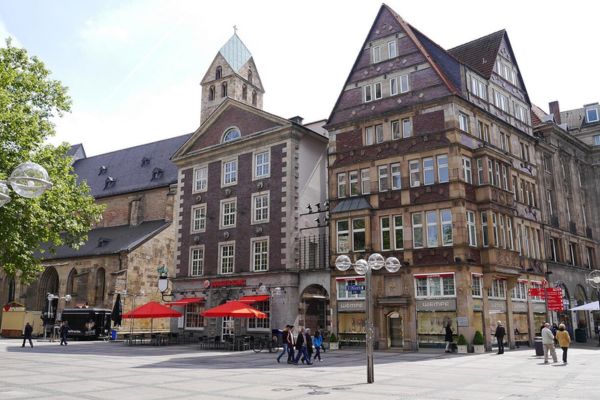
Dortmund
in the industrial Ruhr region, with a strong technical university.
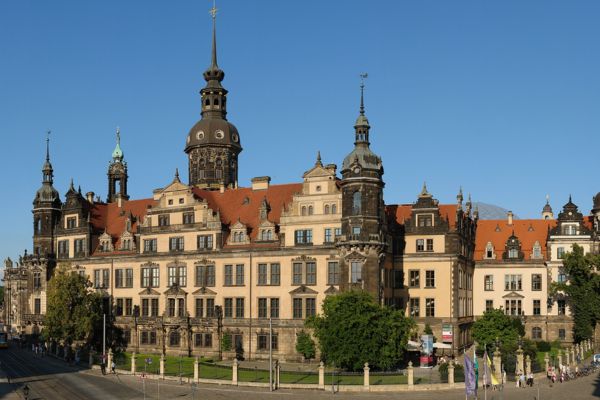
Dresden
a research hub with lower living costs.

Berlin
a big tech and start up scene, though rent is rising.
These are starting points, not rankings. Compare real programmes and costs.
When Should I Apply to Study in Germany?
Germany has two intakes: Winter (around October) and Summer (around April). Winter offers more programmes. Many public universities set deadlines around 15 July for Winter and 15 January for Summer, though some close earlier.
Start about a year early to research universities, prepare documents, complete APS verification, meet language requirements, and arrange your visa.
Your timeline depends on the university, programme, and intake.
Before applying, make a simple checklist:
- Research universities and courses.
- Check eligibility and deadlines.
- Prepare academic documents.
- Complete APS verification, if applicable.
- Meet language requirements.
- Submit applications and prepare for your visa.
Starting early helps you complete each step without rushing.
What Our Community Says
Real stories from students and global universities.


Edugo in Media


Start Your Study in Germany Journey with Edugo Abroad
Studying in Germany from Ranchi is a smart, achievable goal with the right plan. Pick a course that matches your credits, sort your APS early and budget carefully for the blocked account.
If you are looking for trusted study in Germany consultants in Ranchi, connect with Edugo Abroad. Share your academic background and goals, and our team will help you shortlist universities and plan every step.
Stay calm, plan the chase, and finish in Germany.